

The Annual Scramble That Catches Everyone Off Guard
Most drivers assume that passing an emissions test is just a matter of showing up at a station on a slow afternoon and waiting fifteen minutes. That assumption holds up fine until registration renewal season actually arrives and the lines at every testing facility in the county stretch out the door. Suddenly the quick errand becomes an hour or more lost from a workday, and for people juggling shift schedules, childcare, or a commute from Eagle Mountain to Provo, that hour matters more than it should.
The deeper issue is not the test itself but the logistics surrounding it. Utah County has grown fast, and the number of registered vehicles has outpaced the capacity of traditional testing bays in several cities. Stations that used to handle morning traffic with ease now see backups by mid-morning, especially near the end of any given month when renewal deadlines cluster. Drivers who put off the test, thinking they will squeeze it in later, often find themselves racing the clock against a registration that has already lapsed.
There is also a quieter cost here that rarely gets mentioned. A lapsed registration can mean a citation, and a failed test discovered too close to the deadline can mean scrambling to find a repair shop before resubmitting for inspection. What looks like a minor inconvenience on paper turns into a logistical headache that eats into a weekend or forces someone to take time off work they did not plan to use.
Bringing the Inspection Bay to the Driveway
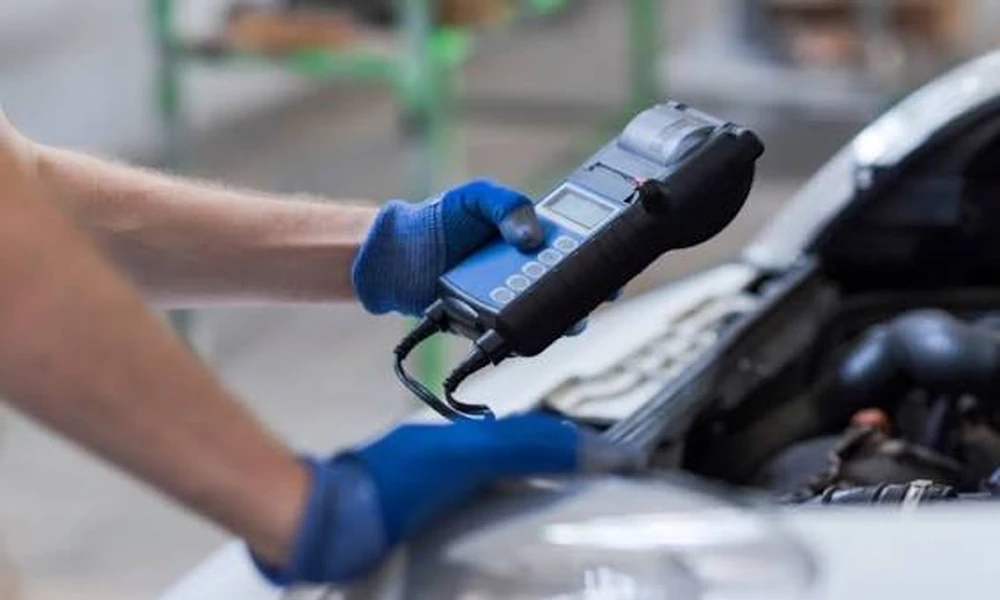
The shift toward mobile emissions testing in Utah County has changed what that annual requirement actually looks like for a growing number of residents. Instead of driving to a station, waiting in a line of idling cars, and hoping the equipment is free when it is your turn, the testing equipment comes to the vehicle. A technician arrives at a home, office, or even a workplace parking lot, runs the required emissions check on site, and submits the results the same way a traditional station would. The vehicle never has to move from where it is parked.
This matters most for people with scheduling constraints that make a station visit genuinely difficult. Someone working a split shift, a parent managing school pickup windows, or a small business owner who cannot leave a storefront unattended during business hours all benefit from testing that happens on their terms rather than a station’s. The technology used in mobile units is largely the same diagnostic equipment found in fixed locations, so the accuracy of the test itself is not a tradeoff anyone has to make.
There is a secondary benefit that often gets overlooked, which is how this approach handles fleet vehicles and multi-car households. A family with three vehicles due for renewal in the same month, or a business with a handful of work trucks, can have everything tested in a single visit rather than coordinating multiple separate trips to a station. That consolidation alone can save hours over the course of a year.
What to Confirm Before You Book a Mobile Technician
Not every mobile testing service operates with the same level of oversight, so a little homework before booking goes a long way. Confirm that the provider is certified to perform official state emissions testing and that results are submitted directly to the appropriate registration system, not just handed over as a printed receipt. A legitimate operator will have no hesitation answering questions about certification, and most will volunteer that information before you even ask.
Timing is another factor worth thinking through. Vehicles due for renewal in a particular month tend to book mobile appointments in a predictable rush near the deadline, the same way stations get crowded. Scheduling a week or two ahead of the actual due date avoids both the late fees and the awkward situation of needing a last-minute slot that may not be available. It also leaves a buffer in case a vehicle fails and needs a quick repair before retesting.
Location flexibility is worth asking about directly, since not every provider covers every part of the county with the same response time. Someone living farther from the main population centers along the Wasatch Front should confirm travel radius and any associated fees before assuming a technician can reach them the same day. A quick phone call upfront saves the frustration of a canceled or delayed appointment later.
Finally, it helps to ask what happens if the vehicle fails the test on site. A reputable mobile service should be able to explain the retest process clearly, including whether a second visit is needed or whether the driver will need to bring the vehicle to a repair facility first. Knowing the full process before the appointment keeps the whole experience from turning into the same kind of scramble that mobile testing was meant to avoid in the first place.
