
The Impact of Dashcam and Surveillance Footage on Fault Determination
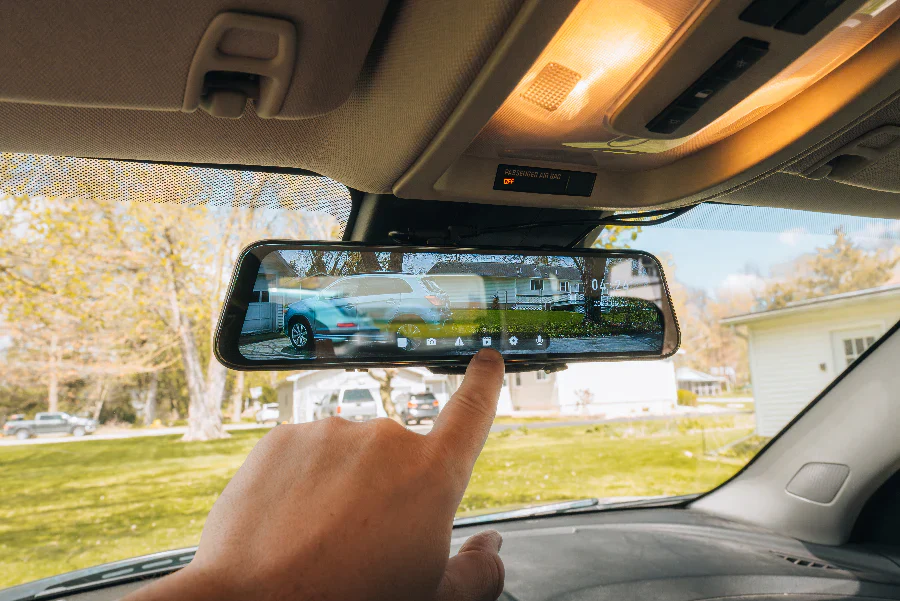
Video evidence has fundamentally altered fault determination in personal injury cases over the past decade. The proliferation of dashcam cameras, business surveillance systems, doorbell cameras, and municipal traffic cameras has created an environment where many accidents are captured on video from one or more angles. Data on how video evidence influences claim outcomes demonstrates its transformative impact on the litigation process.
Video Evidence Availability Rates
Usable video evidence exists (National Safety Council) in approximately 25% of urban traffic accidents, a figure that has more than doubled since 2018. In commercial zones with dense business surveillance coverage, the availability rate climbs to approximately 40%. Dashcam ownership has also increased, with an estimated 18% of passenger vehicles in the United States now equipped with some form of onboard camera system.
The availability of video evidence is not random. Accidents occurring in commercial corridors, near intersections with traffic cameras, or involving commercial vehicles with mandatory camera systems are more likely to have video documentation. Accidents on residential streets or rural roads are less likely to have available footage (Avian Law Group).
Influence on Fault Determination
When video evidence is available, it substantially changes fault determination outcomes. Video evidence reversed (Coalition Against Insurance Fraud) the initial fault determination in 31% of disputed liability cases. Among cases where the police report and video evidence conflicted, the video evidence prevailed in the ultimate liability determination 89% of the time.
Video evidence is particularly impactful in intersection collision cases, where competing claims about signal status are common. In cases without video evidence, signal status disputes result in shared liability determinations in approximately 45% of cases. When traffic camera or dashcam footage clearly establishes signal status, shared liability findings drop to under 10%, dramatically altering settlement outcomes.
Settlement Value Effects
The presence of clear video evidence supporting a claimant’s version of events increases average settlement values by approximately 28% compared to cases relying solely on witness testimony and police reports. Conversely, video evidence contradicting a claimant’s account reduces settlement values by an average of 52%. These figures reflect the evidentiary weight that insurers, mediators, and juries assign to objective visual documentation.
Time sensitivity in preserving video evidence is critical. Business surveillance systems typically overwrite footage within 14 to 30 days (Security Industry Association). Municipal traffic camera systems may retain footage for as little as 72 hours. Failure to preserve video evidence within these windows can result in the permanent loss of the most impactful evidence available in the case.
The Video Evidence Imperative
The data clearly establishes that video evidence is the single most influential evidentiary factor in modern personal injury fault determination. Attorneys and claimants who prioritize rapid identification, preservation, and analysis of available video footage position their cases for significantly stronger outcomes. Delay in this process risks losing evidence that may be the difference between full recovery and a disputed claim.