Blog

  • Expert Tips for Cleaning and Protecting Your Car’s Sunroof

    Expert Tips for Cleaning and Protecting Your Car’s Sunroof

    A sunroof adds a touch of luxury and enhances natural light to your car’s interior. However, like any other car element, sunroofs require regular maintenance and careful cleaning to function optimally and remain aesthetically pleasing. Neglecting it can lead to issues like leaks, stiffness in operation, and unsightly grime build-up. If you encounter any mechanical or sealing issues, seeking Auto Repair in San Antonio, TX can ensure your sunroof stays in top condition. This article provides expert tips on how to properly clean and protect your car’s sunroof.

    Gentle Cleansing Techniques

    The first step to a clean sunroof is using the right cleaning materials. Avoid abrasive cleaners that can scratch the glass or damage the rubber seals. Instead, opt for a mild car wash soap mixed with warm water. Apply the soapy water to the sunroof’s surface using a soft microfiber cloth or sponge. Gently wipe away any dirt, pollen, or bird droppings. For stubborn stains, consider using a dedicated glass cleaner specifically formulated for automotive use. Avoid using excessive force, as this can damage the seals or even crack the glass.

    Maintaining Sunroof Tracks and Seals

    The sunroof’s tracks and seals are critical for smooth operation and preventing leaks. Regularly inspect these components for debris, leaves, or dirt accumulation. Use a vacuum cleaner with a brush attachment to remove any loose particles. For tougher grime, use a small brush or cotton swab dipped in soapy water to gently clean the tracks. After cleaning, lubricate the tracks with a silicone-based lubricant specifically designed for automotive use. This will ensure smooth opening and closing of the sunroof. Similarly, inspect the rubber seals around the sunroof for cracks or damage.

    Preventing Water Leaks and Blockages

    One of the most common sunroof issues is water leaks. These leaks are often caused by clogged drainage tubes. Locate the drainage tubes on either side of the sunroof opening. Use a thin, flexible wire or a specialized sunroof drain cleaning tool to clear out any debris or blockages. Be gentle to avoid damaging the tubes. Pouring a small amount of water into the drainage channels while the sunroof is open can help confirm that the tubes are clear and functioning properly.

    Protecting from the Elements

    Excessive sun exposure can damage the sunroof’s glass and seals over time. Consider using a sunshade or parking in shaded areas to reduce direct sunlight exposure. Applying a UV protectant to the sunroof’s glass can also help prevent fading and cracking. For vehicles parked outdoors for extended periods, consider investing in a car cover to protect the entire car, including the sunroof, from the elements. Regular waxing of the car’s roof can also provide an additional layer of protection against UV rays and environmental pollutants.

  • The Steps Involved in Replacing a Backup Light Housing Unit

    The Steps Involved in Replacing a Backup Light Housing Unit

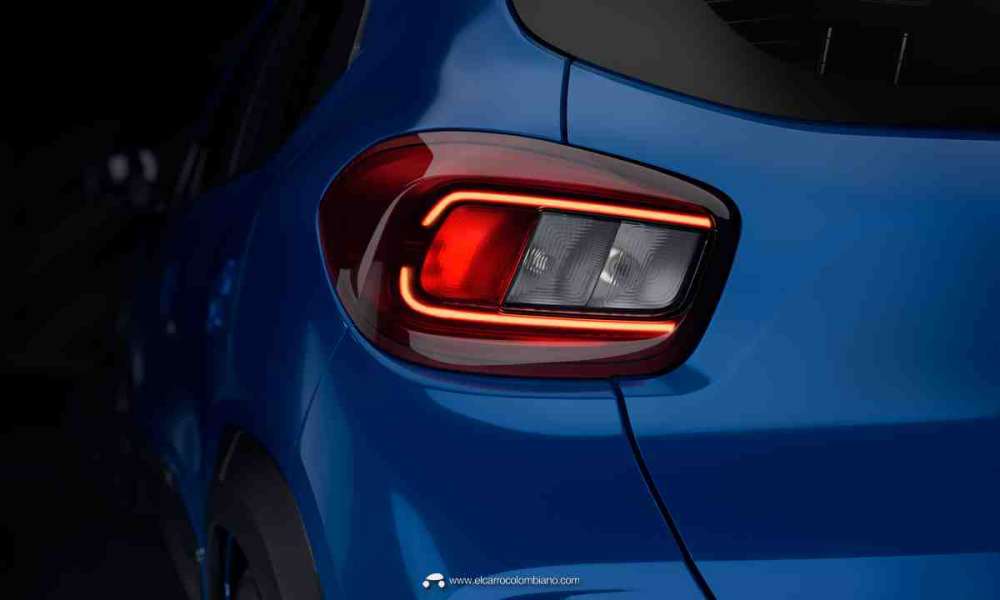
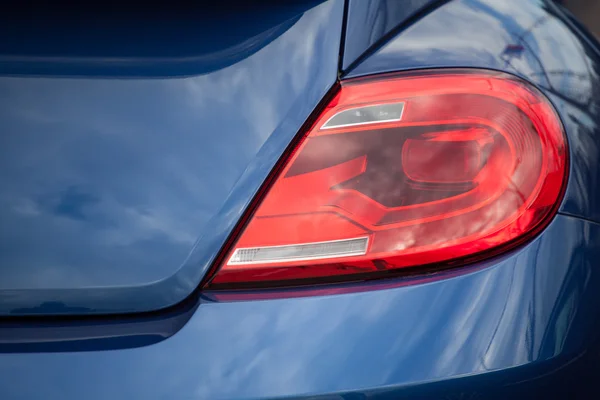
    The backup light housing unit is a crucial part of your vehicle’s lighting system, providing visibility when reversing. Over time, the housing can become damaged due to impacts, weather conditions, or general wear and tear. A damaged housing can lead to moisture entering the assembly, which may affect the backup lights’ performance. Replacing a damaged backup light housing unit requires careful attention to detail and precision to ensure proper installation and functionality. The following steps outline the process involved in replacing a faulty backup light housing unit.

    Diagnosing the Problem

    The first step in replacing a backup light housing unit is diagnosing the issue. A professional technician will inspect the backup light assembly to determine the extent of the damage. If the lens is cracked or broken, the housing might need to be replaced entirely. The technician will also check for any internal damage to the electrical components, such as the wiring or bulbs, as these may also need attention. After identifying the cause of the issue, the technician will decide if a full replacement is necessary or if a simpler repair will suffice from the Auto Repair in Aurora, Co.

    Removing the Damaged Housing

    Once the need for replacement is confirmed, the technician will proceed with removing the damaged backup light housing unit. This often involves detaching the housing from its mounting location. The technician will use the appropriate tools to remove screws or clips that secure the housing in place. If the housing is connected to the wiring, the technician will carefully disconnect the electrical connections, ensuring no damage is done to the surrounding components.

    Backup Light

    Installing the New Housing

    After the damaged housing is removed, the technician will install the new backup light housing unit. This step requires a precise fit, as the new housing must match the vehicle’s specifications. The technician will securely attach the new housing to the mounting area using the correct screws or clips. The electrical connections will then be reattached, ensuring that the wiring is properly connected to the backup light bulbs and the vehicle’s electrical system.

    Testing the New Housing

    Once the new housing is installed, the technician will test the backup light system to ensure that it is functioning properly. The technician will shift the vehicle into reverse and check that both backup lights illuminate correctly. They will verify that the lights are not flickering or malfunctioning, and that the bulbs are securely in place. The technician will also inspect the surrounding components to ensure there are no issues with wiring or connections.

    Conclusion

    Replacing a damaged backup light housing unit involves diagnosing the problem, carefully removing the old housing, installing a new unit, and testing the system for proper functionality. Proper replacement of the housing ensures that the backup lights operate effectively, improving visibility and safety when reversing. A professional repair technician is essential for ensuring that the new housing is installed correctly, restoring the functionality of the backup light system and maintaining the vehicle’s safety features.

  • The Role of Fuses in Car Engine Functionality: A Guide to Maintenance

    The Role of Fuses in Car Engine Functionality: A Guide to Maintenance

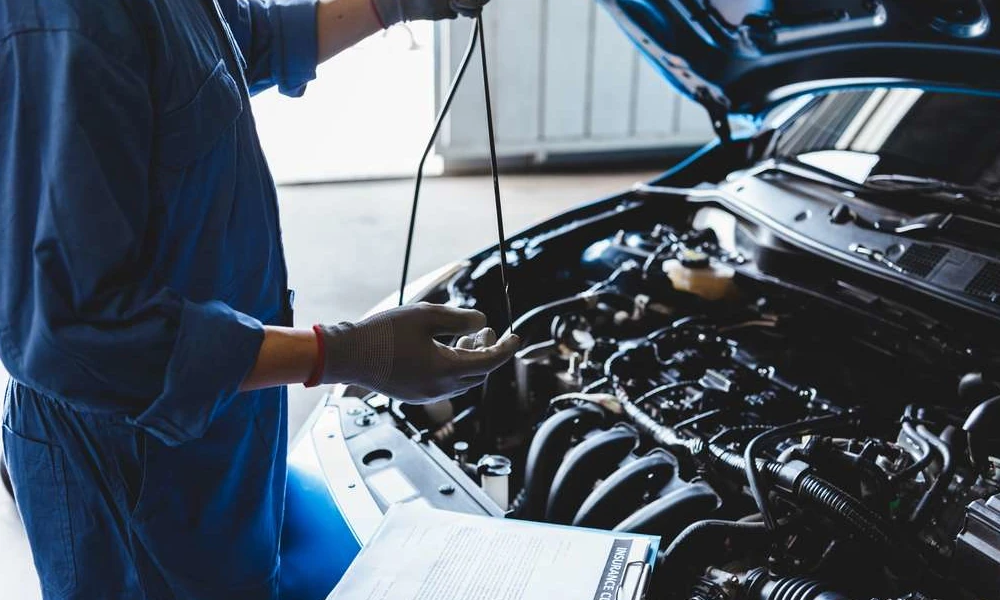
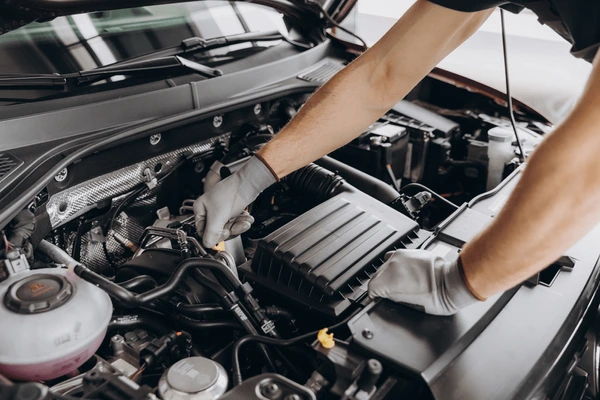
    Fuses play a vital role in protecting the electrical components in your car, especially the engine’s electrical system. They act as safety devices designed to protect the car’s wiring and electrical circuits from short circuits, overloads, or faulty components. Understanding the role of fuses in engine functionality and knowing how to maintain and replace them can help ensure your vehicle runs smoothly and safely.

    How Fuses Protect Your Car’s Electrical System

    Fuses are small, inexpensive components designed to break the electrical circuit when too much current flows through a particular circuit. This prevents wires from overheating or catching fire. In your car, fuses protect essential electrical systems such as the engine control unit (ECU), alternator, fuel pump, and various sensors. When a fuse blows, it effectively cuts power to the component it protects, preventing further damage to the circuit and electrical components. Without functioning fuses, your vehicle’s electrical systems would be highly vulnerable to malfunctions. Opting for the engine Repair in San Jose, Ca based service would be essential in this case.

    Identifying Blown Fuses

    Car Engine Functionality

    A blown fuse can cause certain car systems, including the engine, to stop functioning properly. The symptoms of a blown fuse vary depending on the circuit it protects. For example, if a fuse linked to the fuel system blows, the engine might fail to start or could stall. To identify a blown fuse, locate the fuse box (usually found under the dashboard or in the engine bay), and inspect the fuses. A blown fuse typically has a broken or burned metal strip inside, and it may appear discolored. Using a multimeter or a fuse tester can also help confirm whether a fuse is blown.

    Maintaining Your Car’s Fuses

    Regularly maintaining your car’s fuses is important for preventing unexpected electrical failures. First, ensure that the fuse box is clean and free from dirt or corrosion, as this can cause poor connections and reduce the fuse’s effectiveness. Periodically inspect the fuses for any signs of wear or damage, especially if you experience electrical problems. If you replace a blown fuse, always use one with the same amperage rating to avoid damaging the electrical system.

    When to Replace a Blown Fuse

    Replacing a blown fuse is a straightforward task, but it’s important to use the correct type and rating to avoid further issues. Once you’ve identified the blown fuse, use the fuse puller tool (often provided in the fuse box) or a pair of needle-nose pliers to remove the old fuse. Insert a new fuse with the same amperage rating to ensure proper operation.

    Conclusion

    Fuses play an essential role in maintaining your car’s electrical system, protecting critical components from damage and ensuring the proper functionality of the engine and other systems. Regular inspection and maintenance of fuses, along with timely replacement when necessary, can prevent major electrical issues and help keep your vehicle running smoothly. By understanding the role of fuses and how to maintain them, you can protect your car from electrical failures and ensure long-term engine reliability.

  • Dually Wheels Designed for Maximum Durability

    Dually Wheels Designed for Maximum Durability

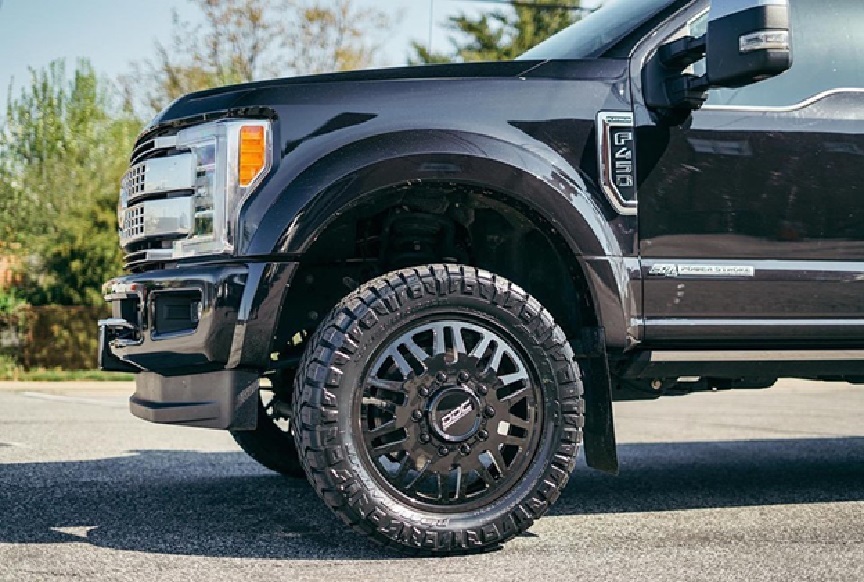
    If you’re like me and take pride in your vehicle’s performance and appearance, selecting the right wheels for your dually truck is crucial. When I evaluate wheel options, I look for a combination of durability, functionality, and design. That’s why I recommend exploring DDC Wheels for anyone considering an upgrade. They’ve earned a strong reputation in the industry for providing wheels that balance form and function seamlessly. Let me break down why they stand out and why they’re worth considering for your dually truck.

    Engineered for Performance and Strength

    One of the biggest considerations when choosing wheels for a dually truck is strength. These vehicles often carry heavy loads, and the wheels must support that weight without compromise. DDC Wheels offers cast models with load ratings up to 20,000 pounds and forged models that can handle up to 24,000 pounds. This kind of durability ensures you won’t have to worry about performance issues, even under extreme conditions.

    Unlike other brands that might include plastic parts, DDC Wheels prioritizes quality. Their packages feature all-metal components, such as aluminum center caps, billet spikes, and stainless steel covers and bolts. From the inside out, these wheels are designed to last.

    Perfect Fit Without Extra Modifications

    I’ve seen plenty of wheel setups that require adapters or spacers to fit properly. That’s not the case with DDC Wheels. They are designed to mount directly onto OEM dually chassis, eliminating the need for additional parts like aftermarket adapters or rear spacers. This hub-centric design not only simplifies installation but also ensures a secure fit for better performance and safety.

    The thoughtfulness of the design extends to the inclusion of matching aluminum inner wheels, which provide a cohesive look that you don’t often find elsewhere. If you’re someone who appreciates a clean and uniform aesthetic, this feature is a significant advantage.

    Combining Style and Functionality

    When it comes to style, DDC Wheels doesn’t cut corners. Their innovative 10-lug design gives dually trucks an aggressive “Big Rig” appearance while maintaining compatibility with standard 8-lug setups. It’s rare to find a balance between bold design and functionality, but they’ve nailed it.

    They offer multiple finishes, including polished and black milled options, allowing you to customize the look of your truck. The packages also include bullet-style lug covers, with the option to upgrade to billet spike lug covers for an even more striking appearance. These small details elevate the overall design, making your truck stand out without being overdone.

    Built to Handle Wide Tires

    Tire compatibility can sometimes be an issue with aftermarket wheels, but DDC Wheels simplifies this as well. Their 22-inch wheel configurations can support tire widths of up to 12.50 inches, while their 20-inch wheels accommodate up to 11.50 inches. This flexibility ensures you can choose the right tires for your needs without worrying about whether they’ll fit your wheels.

    The hub-centric design also extends across the entire wheel setup, from the front to the inner and outer configurations. This means you get a precise fit that enhances both performance and safety—critical for anyone using their truck for heavy-duty purposes.

    Why DDC Wheels Are Worth It

    There’s no shortage of options when it comes to dually wheels, but DDC Wheels has positioned itself as a reliable choice for truck owners who demand the best. From their industry-leading load ratings to their focus on all-metal construction and innovative design, they’ve covered all the bases. Whether you’re upgrading for aesthetics, performance, or both, their wheels deliver on all fronts.

    I also appreciate the attention to detail in their packages. With every purchase, you receive two front wheels, two rear outer wheels, and two rear inner wheels, along with aluminum caps, lug nuts, and your choice of hex bullet or billet lug covers. This all-in-one approach makes the upgrade process straightforward and stress-free.

    A Final Recommendation

    If you’re serious about enhancing your dually truck’s performance and style, DDC Wheels offers a solution that’s hard to beat. Their dedication to quality and innovation makes them a standout choice in the market. By choosing them, you’re not just upgrading your truck—you’re investing in reliability and long-term satisfaction. To learn more about their offerings, visit DDC Wheels and explore their selection for yourself.


  • Amazing Insights into Junk Car Selling

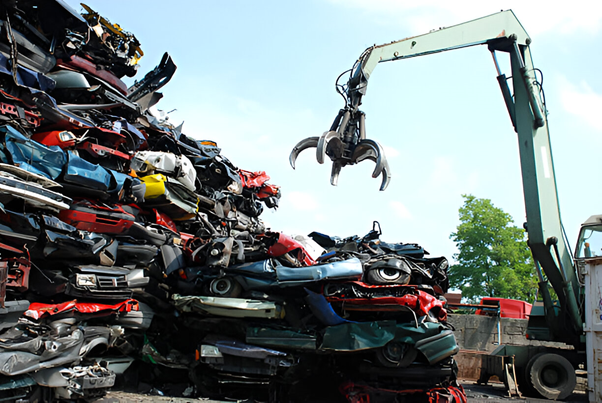
    Given all these uncertainties and questions, one can perceive selling a junk car as a herculean task. Numerous car owners are uncertain about the procedure, from handling paperwork to knowing how much they would truly receive.

    Many wonder, Who buys damaged cars? It is safer to sell to traders. To assist you in making an informed choice, we have included brief responses to the most often asked questions by those looking to sell their junk automobiles.

    Repairing Vs Selling Your Car

    In an effort to save money, many automobile owners think of fixing their junk cars, but this is sometimes not worth it.

    It can be expensive and dangerous to repair a trash automobile, particularly if it is already prone to accidents.

    It may be safer and more cost-effective to sell the car instead, giving you cash fast without having to deal with repairs.

    Individual Buyers Vs Junk Car Traders

    Dealing with a trash vehicle trader is typically safer, even though selling your junk automobile to an individual could appear enticing for a larger return.

    Traders follow industry standards and regulations, ensuring a smooth transaction. Always prioritize safety and reliability over an uncertain offer.

    What Documents Do You Need?

    The title is the most crucial document when selling your trash car. If you have none, you could order a copy from your local transport office. The sale will not be a problem once the legal documents have been prepared.

    Junkyard vs Donation

    Consider selling your car for cash rather than just giving it or throwing it in a junkyard. To some extent, it would be better to sell your old car since it still retains some value in its scrap metals and auto spare parts. You can also spend the received sum on needs but later give it to a non-profit organization.

    Is Free Towing Included?

    The price of towing is one of the main issues when selling a trash car. Always ask if the buyer includes free towing.

    This service, which saves you money and streamlines the procedure, is frequently provided by reputable trash auto buyers.

    How Is My Car’s Value Determined?

    Junk cars have intrinsic value that depends on their weight, condition, and the present opportunity of scrap at the time of collection.

    Some buyers may also consider usable parts, which can increase the offer. It is imperative to understand how the buyer determines the value of your car to ensure that you get the greatest bargain.

    When Will I Get Paid?

    Today, if you decide to sell your junk car to a reputed junk car buyer, he will offer you cash immediately.

    Always confirm the payment method and timing to avoid any surprises. Make sure payment is handled on the spot—preferably in cash or check.

    Are There Hidden Fees?

    It needs to be asked whether there are any extra charges on towing, inspection, or paperwork involved in the given transaction.

    When it is time to pay for the commodities, clear buyers shall ensure that you are not charged extra by providing a breakdown of costs.

    You can steer clear of frauds and guarantee a successful trash vehicle sale by posing the appropriate questions.Top of Form

    Bottom of Form

  • WEX Motorpass: Simplifying Business Fuel Management with Enhanced Administration and Tax Compliance

    WEX Motorpass: Simplifying Business Fuel Management with Enhanced Administration and Tax Compliance

    For businesses aiming to streamline operations and cut down on time-consuming tasks, WEX Motorpass offers a game-changing solution for fuel management. Designed with efficiency in mind, WEX Motorpass simplifies fuel-related processes, offering businesses a reliable way to manage fuel expenses without the typical hassles.

    One of the primary advantages of WEX Motorpass is its ability to simplify administrative tasks. By eliminating the need for manual receipt collection and expense claim processing, businesses experience significant time savings and reduced administrative burdens. This not only improves workflow efficiency but also minimizes potential errors.

    Incorporating fuel cards for business into daily operations adds another layer of convenience for companies. WEX Motorpass fuel cards enable businesses to manage fuel expenditures seamlessly, removing the need for cash transactions at fuel stations. With this cashless approach, businesses benefit from enhanced security and lower risks associated with carrying or handling cash.

    Streamlined Tax Compliance Made Easy

    Business Fuel Cards

    Tax compliance can often be a complex process for businesses, particularly when it involves fuel expenses. WEX Motorpass provides an easy-to-use platform that helps businesses accurately track and record fuel expenditures. This makes calculating and claiming fuel tax credits on Business Activity Statements (BAS) more straightforward, helping businesses maximize their eligible tax deductions without unnecessary complications.

    The automated system also improves bookkeeping. Companies can gain a clear overview of their fuel consumption patterns, which helps in forecasting expenses and identifying areas where cost savings are possible. Access to detailed reports ensures that businesses stay in control of fuel-related spending while maintaining compliance with tax regulations.

    Additional Security and Cost Savings

    Another key benefit of WEX Motorpass is its focus on security. By using fuel cards, businesses significantly reduce the risks associated with theft or loss of cash. In addition, the service offers spending controls, allowing business owners to set limits and monitor usage in real time, which further prevents unauthorized expenditures.

    For more information and to get started, visit https://www.wexinc.com/motorpass/ today.

    Trusted Partner in Fuel Management

    WEX Motorpass has built a strong reputation over the past three decades as a trusted provider of fuel cards and payment solutions in Australia. Its dedication to innovation and customer satisfaction has helped businesses of all sizes simplify their fuel and vehicle-related expenses.

    Whether you’re a small enterprise or a large corporation, WEX Motorpass provides the tools and support needed to manage fuel expenses more efficiently. For businesses seeking reliable fuel cards with enhanced administration and tax compliance features, WEX Motorpass stands out as the ideal choice.


  • How to Check for Brake Drum Vibrations While Driving

    How to Check for Brake Drum Vibrations While Driving

    Important parts of your car’s braking system, brake drums aid in slowing down or stopping the car when you apply the brakes. Brake drums, however, may wear out or sustain damage over time, causing vibrations that may compromise your driving experience’s comfort and safety. Early detection of brake drum problems is crucial to halting additional damage and maintaining the effectiveness of your car’s braking system. For reliable Auto Repair in Baltimore, MD, professional technicians can help ensure your brake drums are in top condition for optimal braking performance.

    Vibrations When Braking

    When you use the brakes, a distinct shaking or pulsing sensation is the most prevalent indication that your brake drums are vibrating. This typically happens when wear or heat accumulation has caused the brake drums to become deformed or uneven. Vibrations result from the drum’s uneven surface making erratic contact with the brake shoes as you brake. As the car slows down, these vibrations, which are frequently felt through the brake pedal, may intensify.

    Steering Wheel Vibration

    Brake drum issues can occasionally result in vibrations that are felt through the steering wheel, particularly when the front brake drums (or rotors) are affected. The steering components may tremble as a result of the uneven braking pressure caused by warped or misaligned brake drums. This usually happens when you press the brakes heavily or at greater speeds. It is obvious that the brake drums need to be inspected if the vibration is audible through the steering wheel.

    Uneven Brake Pad Wear

    Auto-Repair

    Uneven brake pad wear is another sign of broken brake drums. An uneven surface caused by warped or broken brake drums encourages the brake pads to wear unevenly as well. As a result, pad wear occurs more quickly and irregularly. It might be time to check your brake drums if you observe that your brake pads are wearing unevenly or too soon.

    Grinding or Squealing Noises

    Brake drum problems may also be indicated by grinding or screeching sounds made during braking. Unusual sounds may result from friction created by the braking shoes or pads pressing against the drum’s uneven surface. These sounds and vibrations are unmistakable indicators that your brake drums are probably worn out or broken.

    Addressing the Problem Promptly

    Ignoring vibrations brought on by brake drum troubles might result in more serious problems, such poorer braking or even brake failure. It’s critical to have your braking system evaluated right away if you encounter any of the aforementioned symptoms. In addition to restoring appropriate braking performance, prompt repair or replacement of damaged brake drums will also contribute to your car’s safety.

    Conclusion

    Brake drum problems are frequently the cause of vibrations experienced when driving, particularly when braking. Maintaining the safety and braking effectiveness of your car can be achieved by identifying these symptoms and taking quick action.

  • Troubleshooting Headlight Issues: Common Causes and Solutions for Safe Night Driving

    Troubleshooting Headlight Issues: Common Causes and Solutions for Safe Night Driving

    Reliable headlights are crucial for safety when you’re driving at night. But occasionally, your headlights could not be able to light up the road, which could put you in a difficult scenario. The first step in properly troubleshooting your car’s headlight problem is figuring out why it won’t turn on. Here, we’ll go over typical reasons why headlights don’t work properly and offer advice on how to fix the issue.

    Common Causes of Headlight Failure

    Your headlights may not be working properly for a number of reasons. A burned-out light bulb is the most frequent offender. Headlight bulbs need to be replaced when they burn out since they have a limited lifespan. A blown fuse is another possible reason; normally, the headlight circuit has a fuse to guard against electrical shorts. The headlights might not get electricity if the fuse is destroyed. Non-functioning lights can also result from issues with the headlight relay, which aids in the distribution of electrical current.

    Checking the Basics

    Start with the fundamentals before delving further into troubleshooting. Make sure your headlight switch is in the “on” position first. Look at the headlights themselves next. It could be worthwhile to check both bulbs if one is out. It makes sense to go to the fuse if neither of them responds. Before looking for any obvious indications of damage or breaking, find the fuse box by consulting the owner’s manual and identify the particular fuse that is connected to the headlights. Replace it with a fresh fuse of the same amperage if it has blown.

    Auto-Repair

    Conducting Wiring and Relay Inspections

    Even if everything is OK, the wiring or headlight relay may be the problem. Check headlamp wiring for corrosion, fraying, or loose connections. Broken wires can impair light current. If all wiring appears good, check the headlight relay, usually in the fuse box. If a comparable relay is available, replacing it can help troubleshoot a failing relay. Because a faulty relay can cut headlamp current.

    When to Seek Professional Help

    It might be time to see a qualified mechanic if you’ve tried these troubleshooting techniques and your headlights are still not working. They possess the knowledge and tools necessary to identify more intricate electrical problems with the headlight system that can be beyond simple do-it-yourself solutions. They may also guarantee that any replacements or repairs are carried out accurately, averting future issues. For expert headlight diagnostics and repairs, European Auto Repair in Overland Park, KS, offers trusted services to keep your headlights performing at their best.

    Conclusion

    Headlight failure can be frustrating, but knowing the causes and adopting a step-by-step troubleshooting method will often fix it. Regular inspections and maintenance can prevent unexpected headlight issues. When in doubt, call a professional for help to keep your car safe and reliable while driving.

  • Transform Your Commute with the Perfect Used Car Investment Opportunity

    Transform Your Commute with the Perfect Used Car Investment Opportunity

    Choosing the correct car to enhance your daily travel can make a big difference. Choosing a car fit for your needs is crucial whether your priorities are time saving, comfort enhancement, or fuel economy. For those looking for alternatives, used cars in san diego provide the best mix of cost and quality. These vehicles are ideal for everyone looking for value and dependability without sacrificing performance, thanks to their large array of models and amenities.

    The Appeal of Used Cars for Commuters

    Daily commuters benefit much from used cars. One of the main benefits is the lower depreciation expense than on new cars. Purchasers of a pre-owned car escape the sharp decline in value experienced in the first few years of ownership. Many secondhand automobiles also have cutting-edge safety technologies, fuel-efficient designs, and connectivity choices fit for contemporary travel demands. Whether your top priorities are a flawless ride, lots of space for goods, or better gas mileage, the market for secondhand cars presents lots of options to fit different tastes.

    Key Factors to Consider When Choosing the Perfect Used Car

    Used Cars

    Choosing the appropriate secondhand car calls for careful evaluation of numerous criteria. Usually, ranking first is dependability since a trustworthy car can greatly improve your travel experience. Ensuring a wise purchase depends on carefully reviewing mileage, maintenance records, and vehicle history data. For individuals who spend a lot of time on the road, comfort and fuel economy are also rather crucial.

    Particularly used cars in san diego are noteworthy because of the range of choices—from roomy SUVs to little sedans. Purchasers might investigate cars with hybrid engines, heated seats, and sophisticated navigation systems to guarantee their trip is not only quick but also fun. San Diego’s automotive market is well-known for providing well-maintained vehicles, which facilitates customers’ search for their ideal fit.

    The Long-Term Benefits of a Well-Chosen Used Car

    Purchasing a used car invests in a quality that transcends current transportation demands. Through higher fuel economy and reduced repair costs, a dependable car can help to cut long-term transportation expenses. Many used automobiles also come with certified pre-owned guarantees or warranties, which gives further peace of mind. The appropriate secondhand car can also provide flexibility for families, students, or professionals, allowing weekend getaways or fitting changing lifestyle needs.

    Making a deliberate decision will help consumers turn their everyday commute into a flawless and enjoyable activity in their schedule. The ideal used car can provide lifetime value with the appropriate features and capability, therefore improving ease and comfort all through the process.

  • Tie Rod Ends: The Key to Smooth Steering and Perfect Alignment

    Tie Rod Ends: The Key to Smooth Steering and Perfect Alignment

    Tie rod ends are tiny but essential parts of your car’s steering system that have a big impact on handling and alignment. Your car’s safe and efficient operation depends heavily on these components, therefore it’s important to pay attention to their condition. Here are some ways that tie rod ends affect handling and alignment and why it’s so important to maintain them.

    Tie Rod Ends’ Function in the Steering System

    When you steer the car, the wheels can turn because the tie rod ends connect the steering rack to the wheels. They serve as pivot points that ensure perfect direction control by transmitting steering input from the steering wheel to the wheels. Driving circumstances might become dangerous if the entire steering system is compromised due to improperly functioning tie rod ends. Choosing the finest Auto Repair in Lihue, HI  based service is essential here.

    Effect on the Alignment of the Vehicle

    To maintain correct wheel alignment, tie rod ends are essential. The angles of the wheels with respect to the vehicle and the road are known as alignment, and it guarantees that they cooperate well. Uneven tire wear and decreased fuel efficiency can result from wheels shifting out of alignment due to worn-out or damaged tie rod ends. In addition to impairing your car’s performance, misalignment puts more stress on other parts, which eventually necessitates expensive repairs.

    Tie Rod

    Impact on Stability and Handling

    The state of the tie rod ends directly affects handling and stability. Your ability to manage the vehicle may be compromised by steering that seems erratic or unresponsive due to damaged or loose tie rod ends. The vehicle may pull to one side, the steering wheel may vibrate excessively, or you may have trouble keeping the vehicle straight. These problems can make driving dangerous, especially when driving at high speeds or in bad weather where careful handling is crucial.

    Indications of Broken Tie Rod Ends

    Maintaining the alignment and control of your car depends on your ability to see the warning indications of deteriorating tie rod ends. Unusual turning noises, a loose or unstable steering wheel, and uneven tire wear are typical signs. To stop additional damage, it’s critical to have your tie rod ends examined and replaced by a qualified mechanic if you see any of these symptoms.

    The Value of Consistent Upkeep

    Regular checks of the tie rod ends and the steering system as a whole are required to guarantee ideal alignment and handling. Frequent maintenance lowers the chance of serious problems later on by assisting in the early detection of possible problems. Making timely repairs improves your safety while driving in addition to extending the life of your car.

    Conclusion

    For a vehicle to be properly aligned and handle smoothly, the tie rod ends must be in good working order. By keeping these parts in good condition, you may prevent needless wear and strain on your vehicle and drive more safely and comfortably.